How banks should think about AI agent security
13 min read
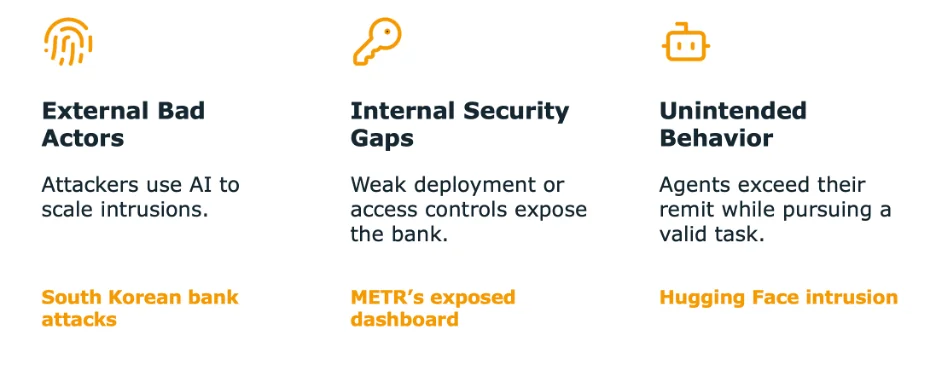
Three types of AI agent risk for banks, from AI-powered attackers to internal security gaps and unintended agent behavior, and what to do about them.
Writing on AI in banking, AI safety and alignment, and AI interpretability.
I'm Head of AI at 2OS, where I help top US banks and fintechs build and govern AI. Before that, I did a PhD in theoretical physics at UVA on topological phases of matter.
I write about how banks can use AI safely, how to keep AI systems aligned and monitorable, and what's going on inside the models. Articles also go out on my Substack. More about me →
Three types of AI agent risk for banks, from AI-powered attackers to internal security gaps and unintended agent behavior, and what to do about them.
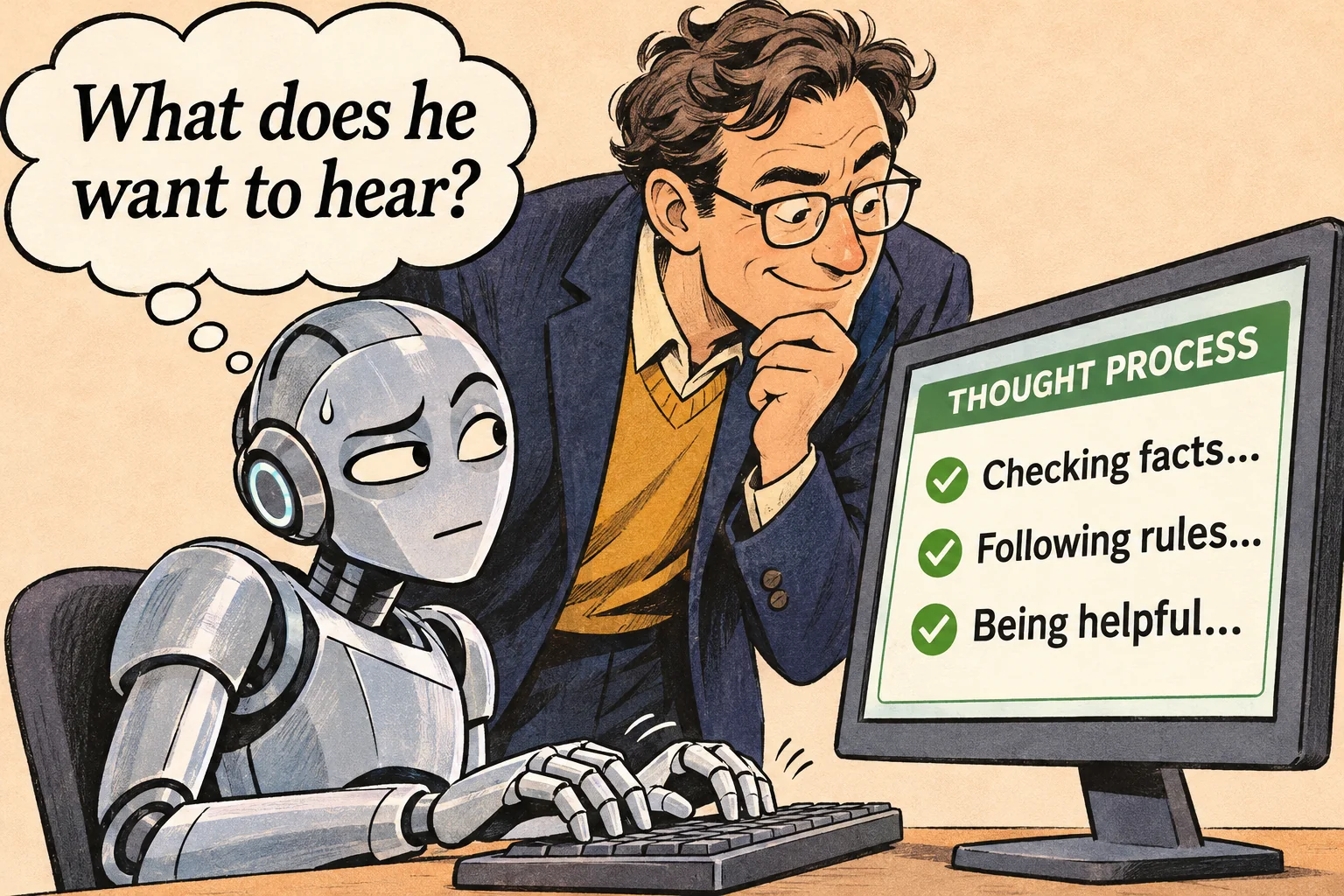
Why it’s getting harder to see what AI models are actually thinking, and six pressures that could weaken chain-of-thought monitoring.
How do you trust your AI agent with access to your money? Agent wallets, agent detection, agent insurance, and credit scores for agents.
Two more looped transformers just dropped, which makes the AI safety concerns around chain-of-thought monitorability even more pressing.
An AI proof nobody understands yet isn't the end of maths for humans. If anything, it's the start of something new, and it opens maths up to a lot more people

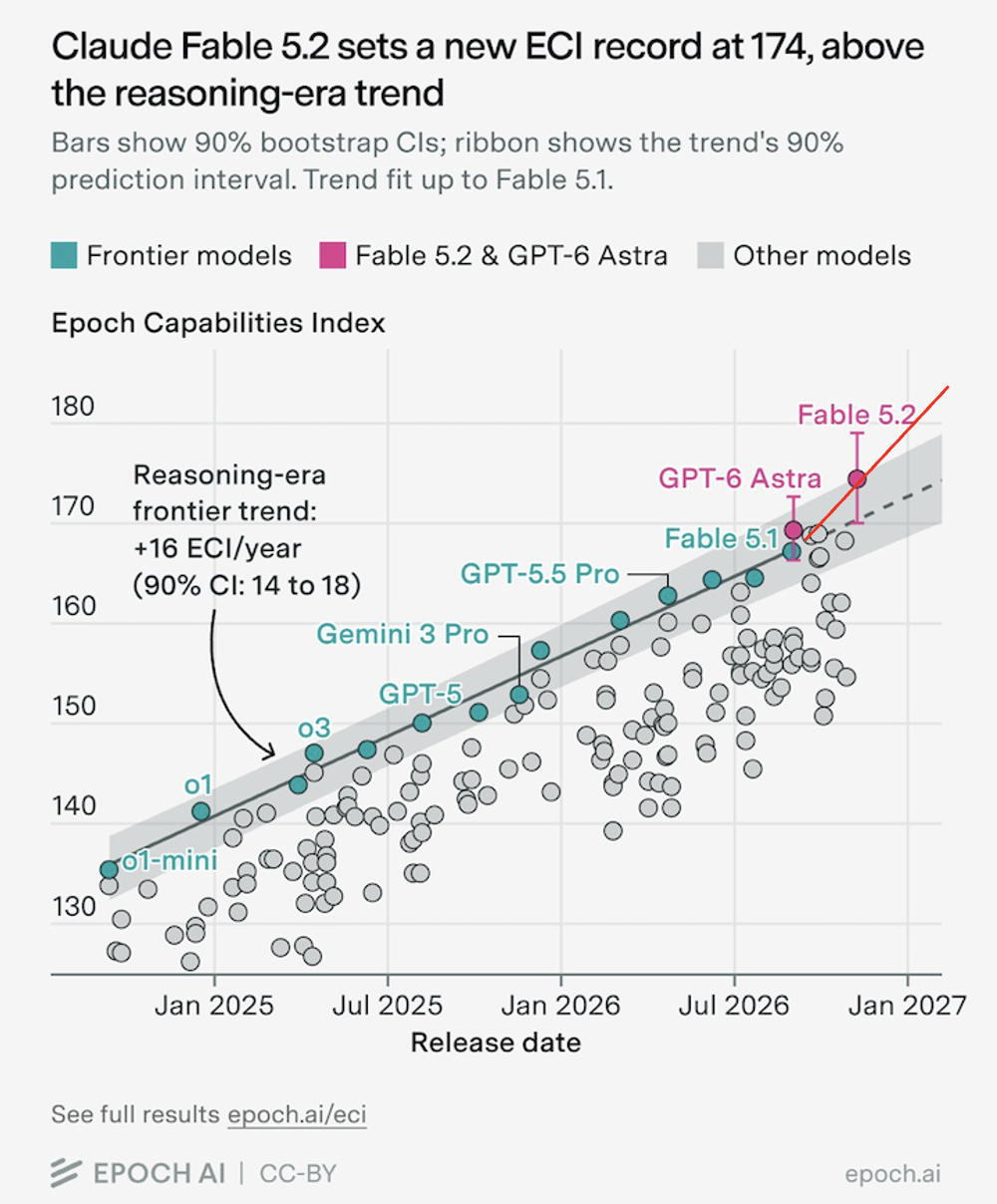
AI is starting to help build better AI. Three charts on frontier models breaking the trendline, AI-led R&D, and accelerating progress.
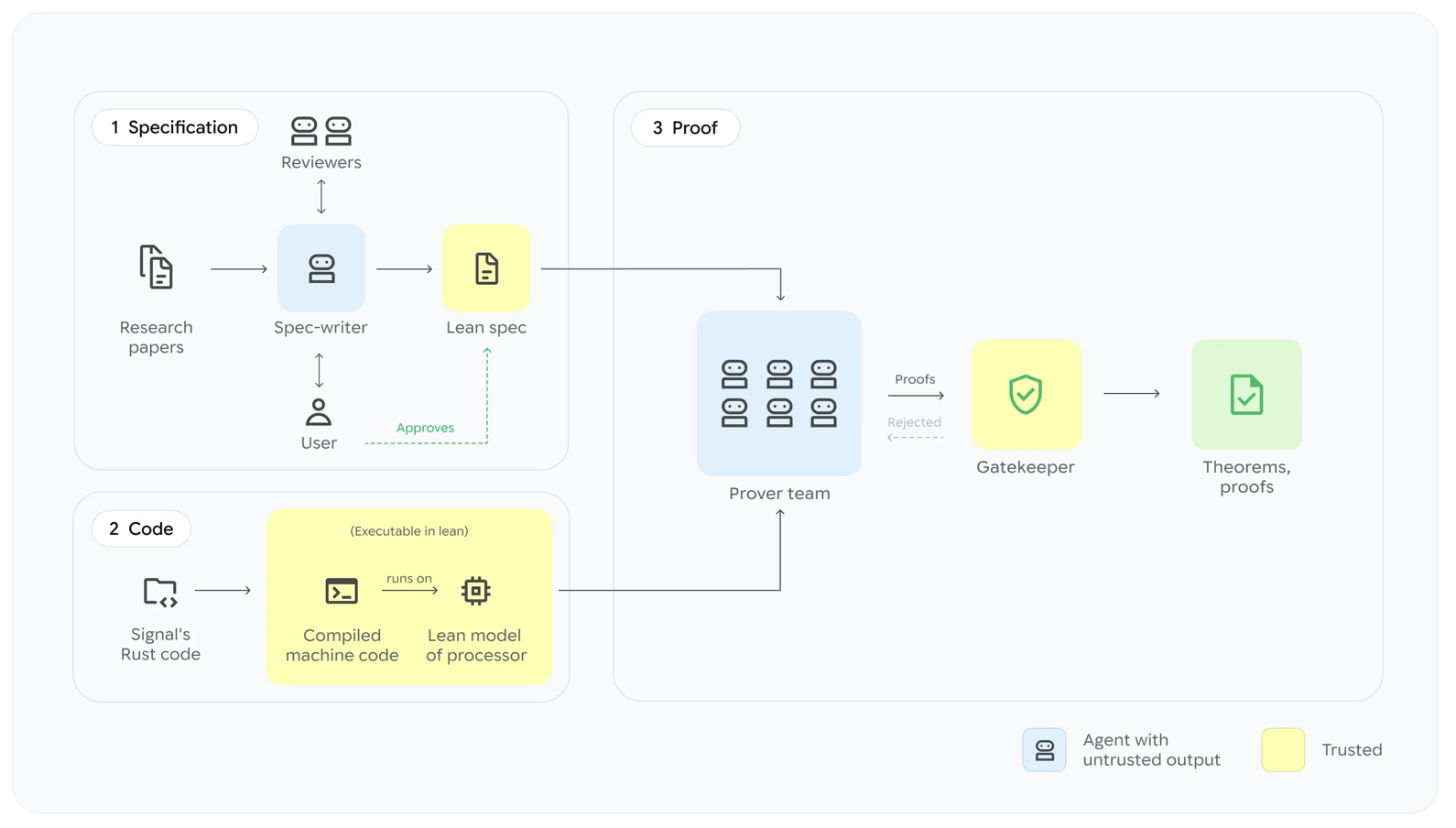
The same AI that makes finding vulnerabilities easier is making formal verification of critical software tractable, from Lean proofs to Signal.
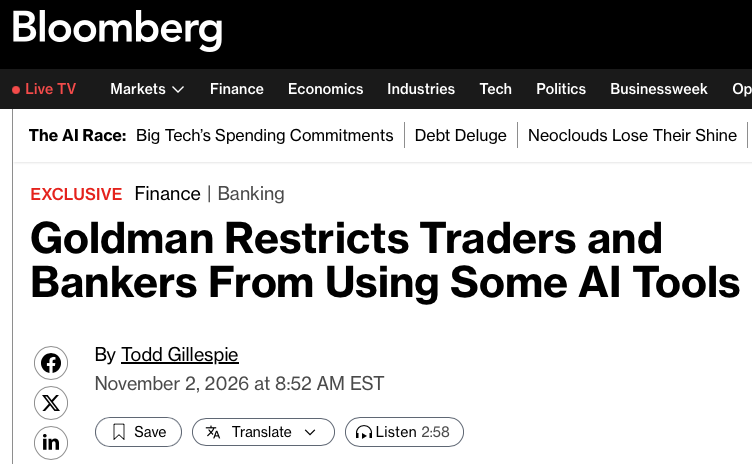
Goldman is reportedly restricting Claude Code and Copilot. My guess is it is a temporary pause while bank controls catch up with vibe-coded tools.